

The Mistake Most Business Owners Don’t Realize They’re Making
Most business owners think, “As long as my building and equipment are insured, I’m covered.”
That’s only half the picture.
The real threat isn’t just the damage—it’s what happens after the damage, when your business can’t operate but the bills keep coming.
This is where underinsuring business income (business interruption) becomes one of the most expensive mistakes you can make.
What Is Business Income Coverage (and Why It Matters)?
Business income coverage is designed to replace:
- Lost revenue while your business is closed
- Ongoing expenses like rent, utilities, and payroll
- Costs to temporarily relocate or resume operations
In simple terms, it keeps your business alive while you recover.
👉 Without it—or with too little of it—you’re paying expenses out of pocket with zero income coming in.
Where Most Businesses Get It Wrong
1. Limits Are Too Low
Many policies are based on outdated or estimated revenue.
If your business has grown and your coverage hasn’t, you’re underinsured—period.
2. Not Enough Time Covered
A lot of policies only cover 3–6 months of lost income.
Reality check:
- Construction delays
- Permit issues
- Supply chain problems
These can easily stretch recovery to 9–12+ months.
3. Missing Coverage Entirely
Some business owners skip it to save money.
That’s like insuring your car but skipping coverage for lost wages after an accident.
4. No Extra Expense Coverage
Even if income is covered, many policies don’t include the extra cost to stay open, like:
- Renting temporary space
- Expedited shipping
- Overtime labor
Those costs add up fast.
What a Real Claim Looks Like
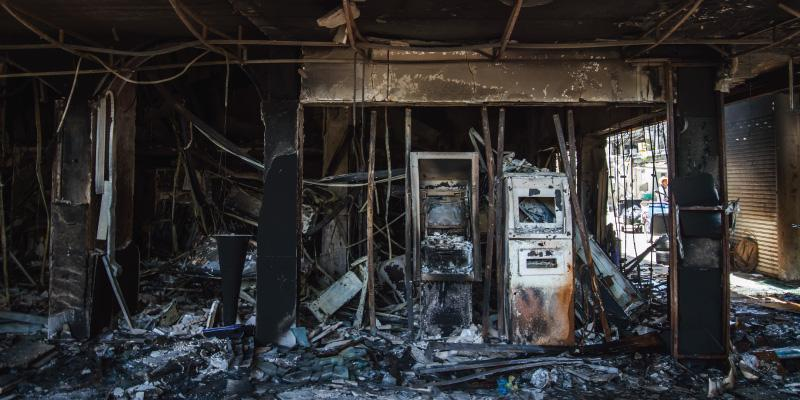
Let’s make this real.
A small business suffers a fire:
- Property damage: covered
- Repairs take 8 months
- Monthly expenses: $25,000
If they only have 3 months of income coverage, they’re left covering 5 months out of pocket.
That’s $125,000 in expenses—with no revenue.
👉 That’s how profitable businesses go out of business.
The Hard Truth
Businesses rarely fail because of the initial loss.
They fail because:
- Cash flow stops
- Expenses don’t
- And insurance doesn’t bridge the gap
How to Fix It (Before You Need It) CONTACT US
✔ Review Your Revenue Annually
Make sure your coverage reflects your current income—not last year’s numbers.
✔ Extend Your Indemnity Period
Aim for at least 12 months of coverage in most cases.
✔ Add Extra Expense Coverage
This gives you flexibility to stay operational instead of shutting down completely.
✔ Work With an Agent Before You Have a Claim
The right structure matters more than the cheapest premium.
You don’t buy business income coverage for the disaster.
You buy it for the months after, when your business is fighting to survive.
And if it’s underinsured, it won’t be there when you need it most.
If you’re not sure whether your current policy would actually carry your business through a shutdown, it’s worth reviewing now—before you’re forced to find out the hard way. CONTACT US