
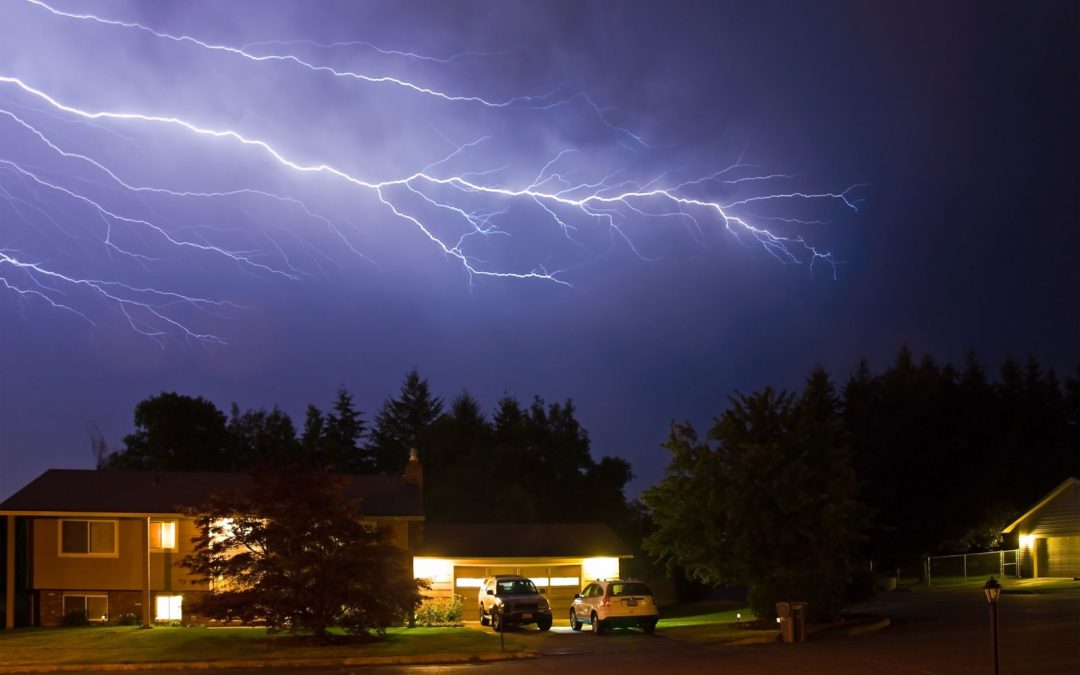
Storm season in Texas isn’t something to take lightly. Between hail, high winds, tornadoes, and flash flooding, the damage can be fast—and expensive. The good news? Most homeowners can significantly reduce their risk with a little preparation ahead of time.
Here’s what you need to do now—before the storms hit.
1. Inspect Your Roof (This Is the Big One)
If your roof isn’t in good shape, everything underneath it is at risk.
- Look for missing, curling, or cracked shingles
- Check for soft spots or signs of leaks in your attic
- Pay attention to the age of your roof (many policies change coverage after 10–15 years)
Hard truth: If your roof is older and hasn’t been maintained, your insurance may not cover it the way you think—especially after repeated storm claims. Some policies shift to actual cash value instead of full replacement.
👉 If there’s any doubt, get a professional inspection now—not after a storm.

2. Clean Gutters and Check Drainage
Texas storms often dump a lot of rain in a short time. If water can’t flow away from your home, it will find a way inside.
- Clear out leaves and debris from gutters
- Make sure downspouts direct water away from your foundation
- Check for pooling water around your home
Water damage is one of the most common (and costly) claims—and it’s often preventable.
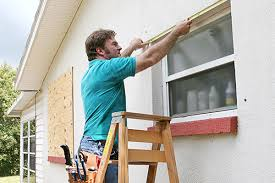
3. Secure Outdoor Items
High winds turn everyday items into projectiles.
- Bring in patio furniture, grills, and décor
- Secure trampolines and playsets
- Trim back tree branches hanging over your roof
It only takes one loose object to break a window or damage your siding.
4. Know Your Deductibles (Especially Wind & Hail)
This is where a lot of homeowners get caught off guard.
- Many Texas policies have a separate wind and hail deductible
- It’s often a percentage (1–3%) of your home’s value—not a flat dollar amount
Example:
A $300,000 home with a 2% deductible = $6,000 out of pocket before insurance pays anything.
👉 If you don’t know your deductible, now is the time to find out.
5. Document Your Home Before the Storm
If you ever have to file a claim, documentation makes everything easier.
- Take photos or videos of your home’s exterior and interior
- Keep receipts for major purchases or upgrades
- Store copies digitally (cloud or email)
This can speed up claims and help you get paid accurately.
6. Build a Basic Emergency Kit
When storms knock out power or block roads, you need to be self-sufficient for at least a couple of days.
Include:
- Bottled water and non-perishable food
- Flashlights and extra batteries
- Portable phone chargers
- First aid supplies
- Important documents in a waterproof container
7. Review Your Insurance Coverage
This is where preparation really pays off.
Ask yourself:
- Do I have replacement cost or actual cash value on my roof?
- Are my coverage limits high enough with today’s rebuild costs?
- Do I have the right deductibles for my budget?
- Am I covered for water damage or flood?
Straight talk: The worst time to find gaps in your coverage is after a storm.
Final Thought
Storms are unpredictable—but your preparation doesn’t have to be.
A few hours spent now can save you thousands of dollars, weeks of stress, and a whole lot of frustration later.
If you’re not 100% confident in your coverage or your home’s readiness, it’s worth having a conversation with someone who can walk through it with you and make sure you’re truly protected. CONTACT US