
When a loss happens, emotions run high. Whether it’s a house fire, hail damage, theft, or water loss, people are overwhelmed and just want things fixed fast.
Here’s the hard truth: the speed and success of your insurance claim often depends on what you can prove.
Photos and receipts are not “nice to have.” They are powerful tools that protect you, support your claim, and help you get paid accurately and quickly.
Let’s break down why they matter so much.
1. Photos Provide Proof of Condition and Damage


4
Insurance companies pay based on documented loss, not memory.
Photos do three critical things:
✅ Show What You Had Before the Loss
Before pictures establish condition. They prove:
- Your roof wasn’t already worn out.
- Your furniture wasn’t damaged before the storm.
- Your home was properly maintained.
Without “before” photos, it becomes your word versus visible wear and tear.
✅ Show the Extent of the Damage
After photos:
- Help adjusters assess the severity
- Support contractor estimates
- Reduce disputes about scope of damage
Clear, well-lit, detailed photos can eliminate back-and-forth delays.
✅ Speed Up the Claims Process
The more documentation you provide upfront, the fewer questions the adjuster has to investigate later.
Less confusion = faster payment.
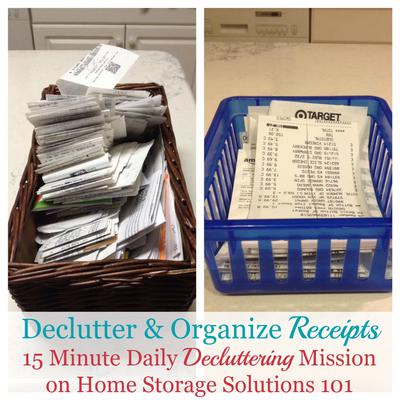
2. Receipts Prove Value
4
When personal property is damaged or stolen, the insurance company pays based on value — not guesses.
Receipts help determine:
- What you paid
- When you bought it
- Brand and model details
- Replacement cost accuracy
Without receipts?
You may only receive:
- Depreciated value
- Lower average replacement estimates
- Or less than you expect
For higher-value items like:
- Jewelry
- Electronics
- Appliances
- Business equipment
Receipts (or appraisals) make a massive difference in payout.
3. Documentation Reduces Disputes
Insurance claims slow down when:
- There are disagreements about condition.
- Ownership is unclear.
- Values can’t be verified.
Photos and receipts remove gray areas.
They protect you from:
- Underpayment
- Delays
- Coverage disputes
- Suspicion of inflated claims
It’s not personal. It’s documentation.
4. Home Inventory: Your Secret Weapon
The best time to take photos is before you ever need them.
Walk through your home once a year:
- Open drawers
- Open closets
- Record video of each room
- Photograph high-value items
- Save receipts digitally
It takes 30 minutes.
It can save tens of thousands of dollars.
For business owners, this is even more critical. Commercial property claims without documentation are significantly harder to settle accurately.
5. What Happens Without Documentation?
Here’s the reality:
If you cannot prove ownership or value:
- The adjuster must use industry average pricing.
- Depreciation may apply.
- Replacement cost holdbacks can be delayed.
- Claims take longer to finalize.
And that frustration often gets directed at the insurance company — when the real issue is lack of documentation.
6. Simple System That Works
You don’t need anything complicated:
- Store receipts in a cloud folder.
- Take annual home inventory videos.
- Keep digital copies of appraisals.
- Back up everything.
That’s it.
Simple. Consistent. Protective.
Final Thoughts
Insurance is a contract based on proof of loss.
Photos prove condition.
Receipts prove value.
Together, they protect your financial recovery.
The clients who document well get paid faster, argue less, and feel more confident throughout the process.
If you want help creating a simple home or business inventory checklist, I’m happy to help you put one together.